If you have ever had problems with makeup that melts, creases, or vanishes by midday, learning how to apply setting powder can be a complete game-changer. Setting powder is a must-have makeup product that helps set your foundation and concealer, control shine, and give your skin a smooth and long-lasting finish. When applied correctly, setting powder helps keep your makeup looking fresh from morning meetings to night events without looking heavy or cakey.
Whether you are a makeup beginner or a pro, learning how to apply setting powder is more than just dusting powder all over your face. It involves understanding your skin type, selecting the right product, and applying it using the right technique. In this tutorial, we will discuss how to apply setting powder on oily skin, how to apply setting powder after foundation application, the difference between setting powder and finishing powder, and how to apply setting powder without looking cakey.
Understanding Setting Powder
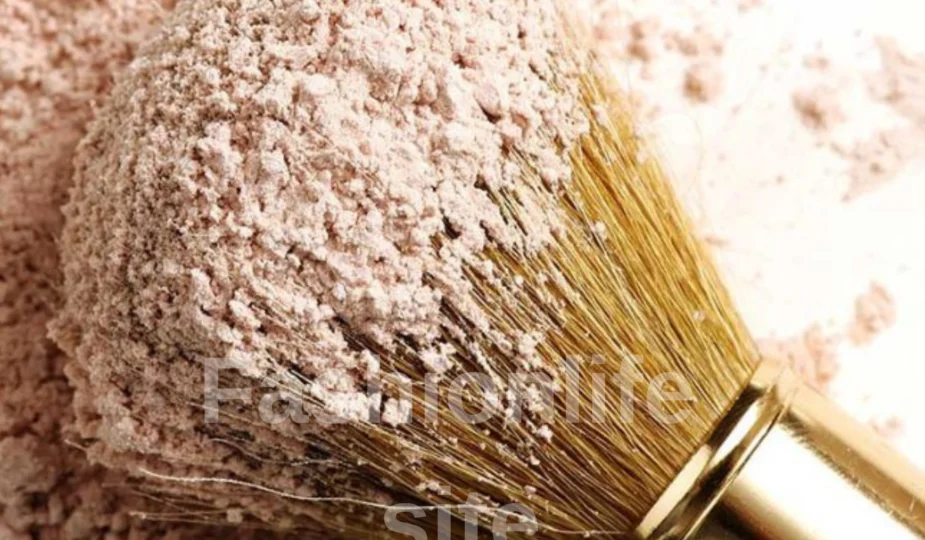
Setting powder is a cosmetic product that is finely milled and used to “set” liquid or cream makeup. The main purpose of setting powder is to absorb excess oil, reduce shine, and ensure that your makeup doesn’t crease or fade throughout the day. Unlike finishing powder, which is used to enhance the final look of your makeup with a subtle glow or matte finish, setting powder is more functional. It is used to ensure longevity and create a flawless finish.
There are two types of setting powder:
- Loose Powder: Lightweight, finely milled, and perfect for full coverage or baking. Loose powders have a smooth, matte finish and are perfect for oily skin.
- Pressed Powder: Compact and portable for touch-ups on the go. Pressed powders are slightly denser and can be used to control shine without disturbing your makeup.
The key to choosing the right setting powder for your skin and makeup needs is to understand the level of control and finish you want.
How to Use Setting Powder After Foundation?
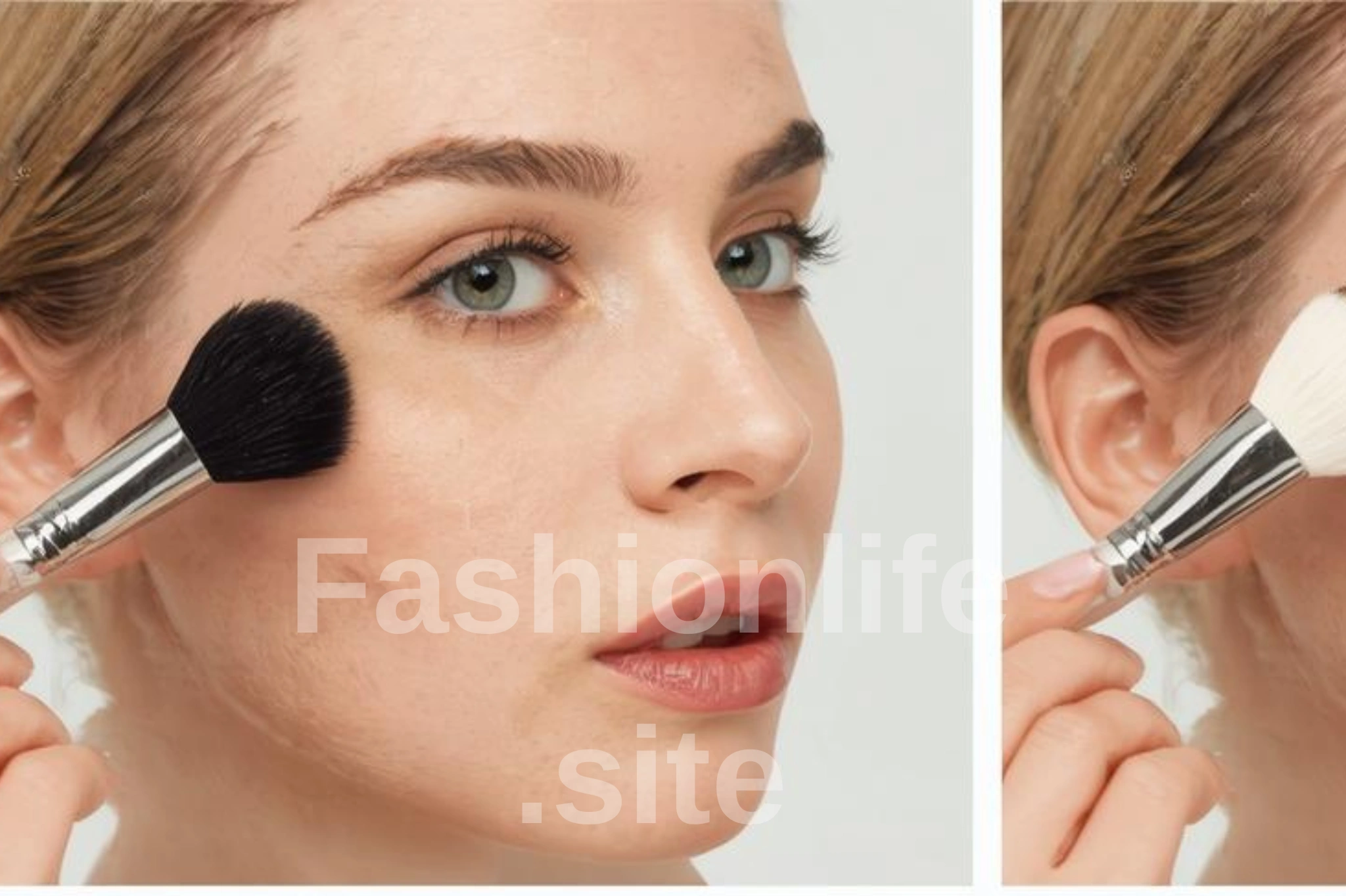
When to apply setting powder: The best time to apply setting powder is right after your foundation and concealer application. Your foundation and concealer should still be slightly wet so that the powder can stick to it properly. Dabbing the powder on your skin instead of sweeping it helps you avoid messing up your foundation.
Tips on how to apply setting powder effectively:
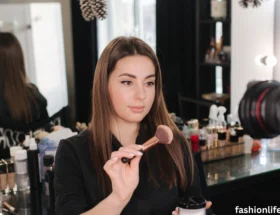
- Use a fluffy brush for a soft, diffused effect on the face.
- Use a small brush or a sponge for detailed areas such as the under-eye area and nose.
- Concentrate on oily areas, usually the T-zone (forehead, nose, and chin), while lightly dusting the rest of the face.
Applying setting powder after foundation application not only helps set your makeup but also helps to soften fine lines and flaws, giving your skin a smooth, airbrushed finish.
How to Use Setting Powder for Oily Skin?
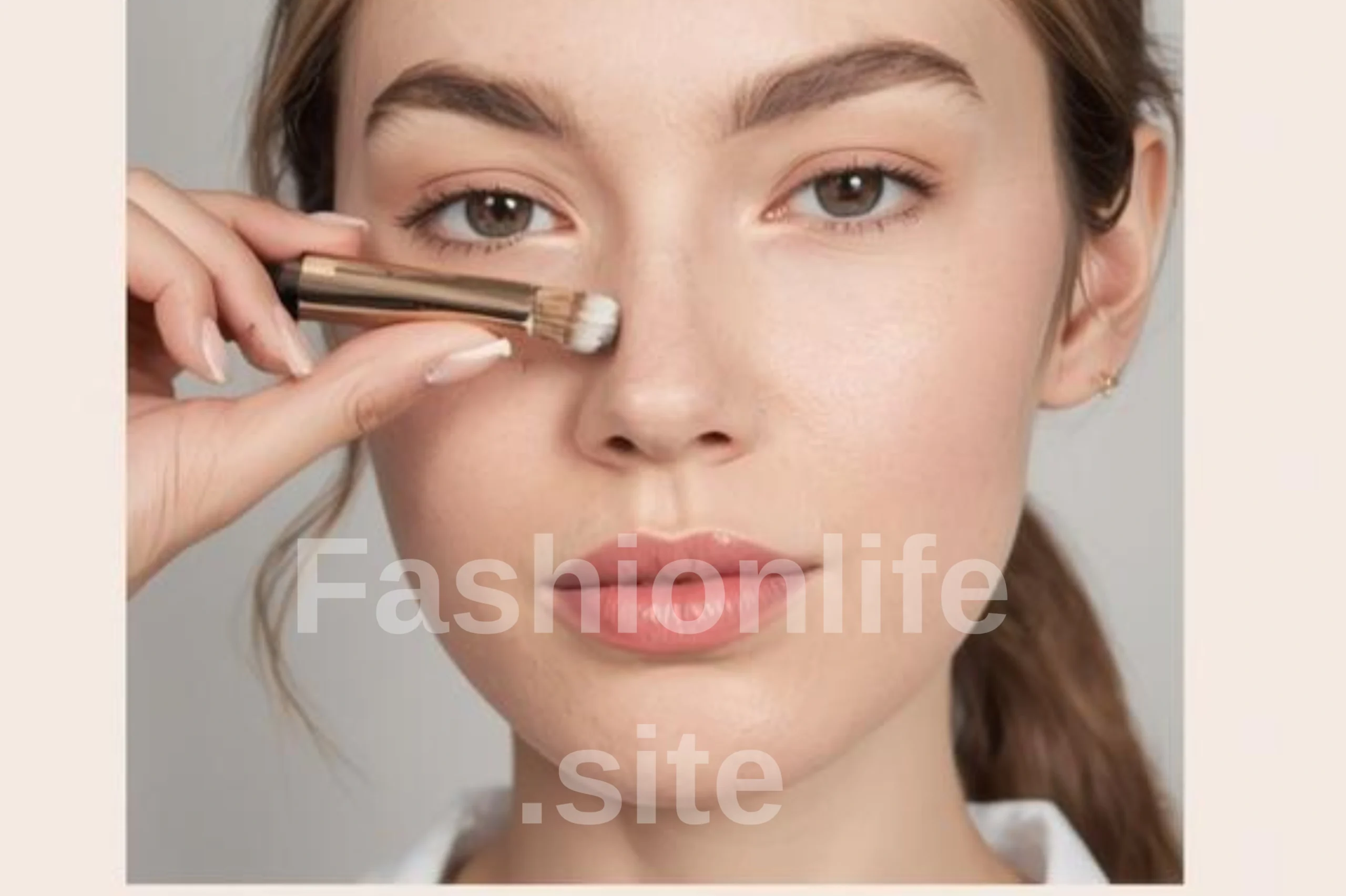
Oily skin needs extra care since the excess oil can cause the makeup to slide or look shiny during the day. To overcome this issue, it is essential to use setting powder. For oily skin:
- Use a loose matte powder that is oil-absorbing. Translucent powders are usually the best to use since they suit all skin types and do not change the color of your foundation.
- Apply the powder in thin layers. Apply a light layer on your T-zone and avoid building it up unless necessary.
- Concentrate on areas where the skin tends to look shiny. These areas include the forehead, nose, chin, and upper cheeks.
- Do not overpowder your skin, as it can look dry or cakey.
By using the correct technique, you can ensure that your skin stays matte, smooth, and camera-ready all day long.
How to Use Setting Powder and Finishing Powder?
While setting powder is used to set your base makeup, finishing powder is used as the final touch to complete your look. Knowing how to use both products together can be a game-changer for your makeup routine.
- Applying setting powder first will help to target areas where your skin tends to crease or become oily. This will help to keep your foundation in place longer.
- Finishing powder should be used sparingly to add luminosity or to create a smooth texture on your face. Finishing powders usually contain light-reflecting particles to give you a natural-looking glow.
- Do not apply finishing powder on top of wet or cream products, as this can give your skin a cakey texture.
By layering products correctly, you maintain both longevity and a refined, polished finish.
How to Use Setting Powder Without Looking Cakey?
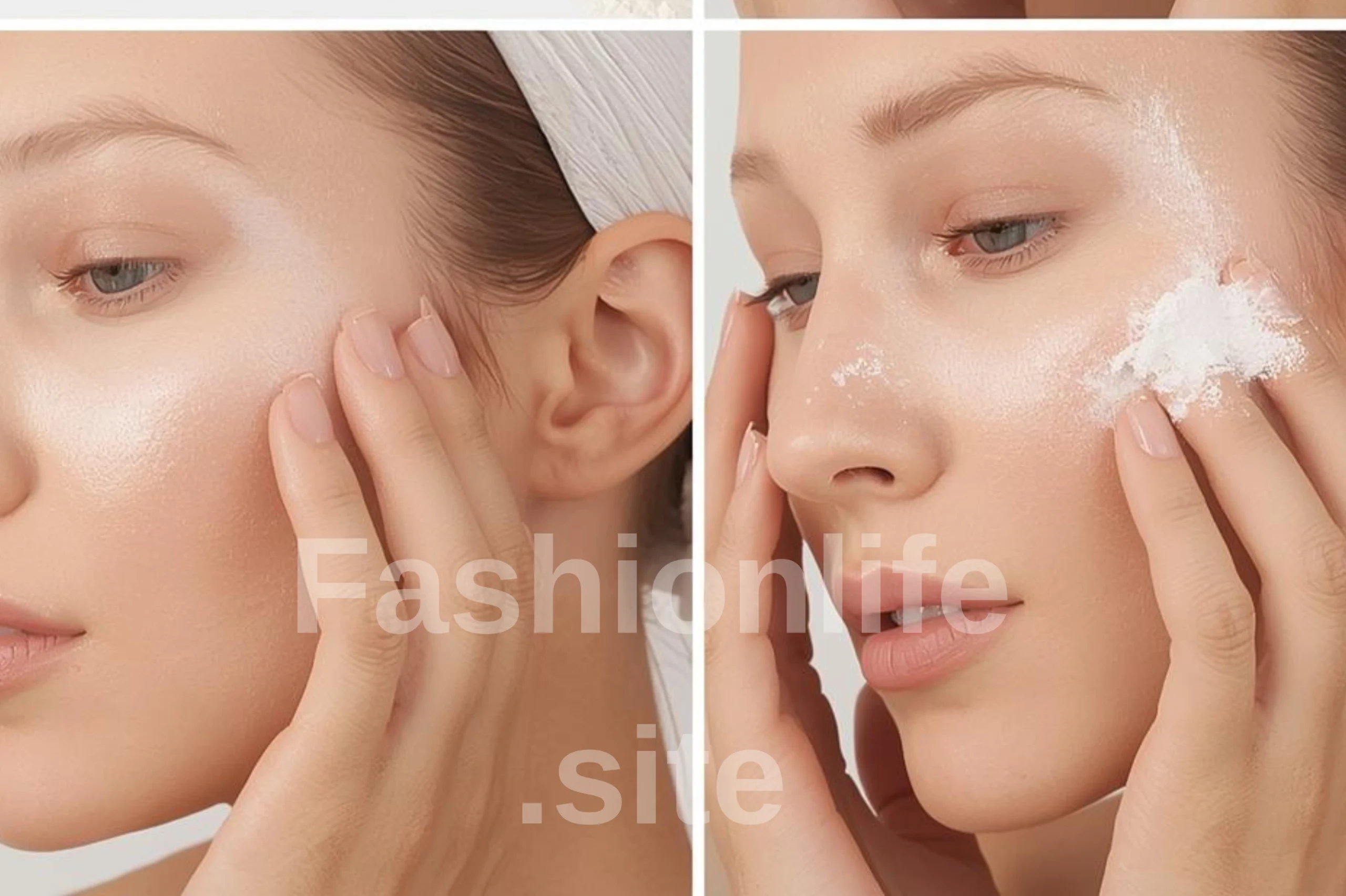
The worst thing that could happen with setting powder is that it ends up looking heavy and chalky. To avoid this:
- Make sure to apply the powder to a moisturized and primed face. This ensures that the powder will go on smoothly and won’t cling to dry areas.
- Press, don’t sweep. This ensures that the powder will stick to the makeup underneath it and won’t move it around.
- Section off areas. Apply powder to areas of the face that need it most, such as the T-zone, under the eyes, or around the mouth, rather than applying it all over the face at once.
- Apply it in layers. It’s better to apply a little bit of powder at a time rather than a lot at once.
Following these steps guarantees a natural, flawless finish without heaviness.
Tips for Professional Results
- Use the right tools: Fluffy brushes, puffs, and damp beauty sponges can be employed according to the desired effect.
- Select powders according to skin tone: Translucent powders for all skin tones, banana powders for highlighting, or colored powders for light coverage.
- Take into account skin type: Dewy powders are ideal for dry or dull skin, and matte powders are ideal for oily or combination skin.
- Powder strategically: Powder only the areas of the face that tend to get oily or where the makeup tends to crease.
These small adjustments make a noticeable difference in both longevity and overall appearance.
Common Mistakes to Avoid
- Using too much powder at once, resulting in a cakey finish.
- Using powder on completely dry foundation, which can disrupt the foundation.
- Not blending well enough, resulting in visible powder patches.
- Using the wrong powder for your skin type.
By avoiding these common errors, you can get the most out of your setting powder.
Conclusion
Learning how to properly apply setting powder will take your makeup from temporary to long-lasting perfection. Whether you are looking to control shine, prevent creasing, or achieve a flawless matte or semi-matte finish, the key to success is in the application and powder selection. The less you apply, the better, so press, blend, and build slowly. Combine your setting powder with proper skin preparation, foundation, and concealer, and you will be left with a radiant, crease-free, and long-lasting finish.
Spend money on quality powders and learn about your skin type, and you will be confident all day long, whether you are on stage, in front of a camera, or just living your life.
FAQ
What is setting powder?
Setting powder is a cosmetic item that is applied to set foundation and concealer, reduce shine, and give a smooth finish.
How to use setting powder for oily skin?
Target oily areas such as the T-zone, use a matte or translucent loose powder, and apply in thin layers to prevent cakeiness.
How to use setting powder after foundation?
Apply powder directly after applying foundation and concealer, while the base is slightly damp, pressing the powder into the skin rather than sweeping.
How to combine setting powder and finishing powder?
Setting powder should be applied first to set your makeup, and then a light dusting of finishing powder will help to finish your skin texture or give it a subtle glow.
How to avoid cakey skin when using setting powder?
Make sure to moisturize and prime your skin before applying powder, tap powder into small areas, and use it sparingly, building up layers as needed.
Can I use translucent powder on my skin if I have a different skin tone than mine?
Yes, translucent powders are colorless and suitable for all skin tones and will not affect your foundation.
Read Also: